Get a $250 New Patient Exam/Cleaning

If your dentures once felt comfortable but now feel loose, you are not alone. Many Columbia, TN patients ask why their dentures stop fitting and what to do about it. The answer almost always involves changes happening beneath the surface — specifically, changes to your jawbone. Understanding this process helps you take the right steps before discomfort turns into a bigger problem.
Why Dentures Stop Fitting Over Time in Columbia
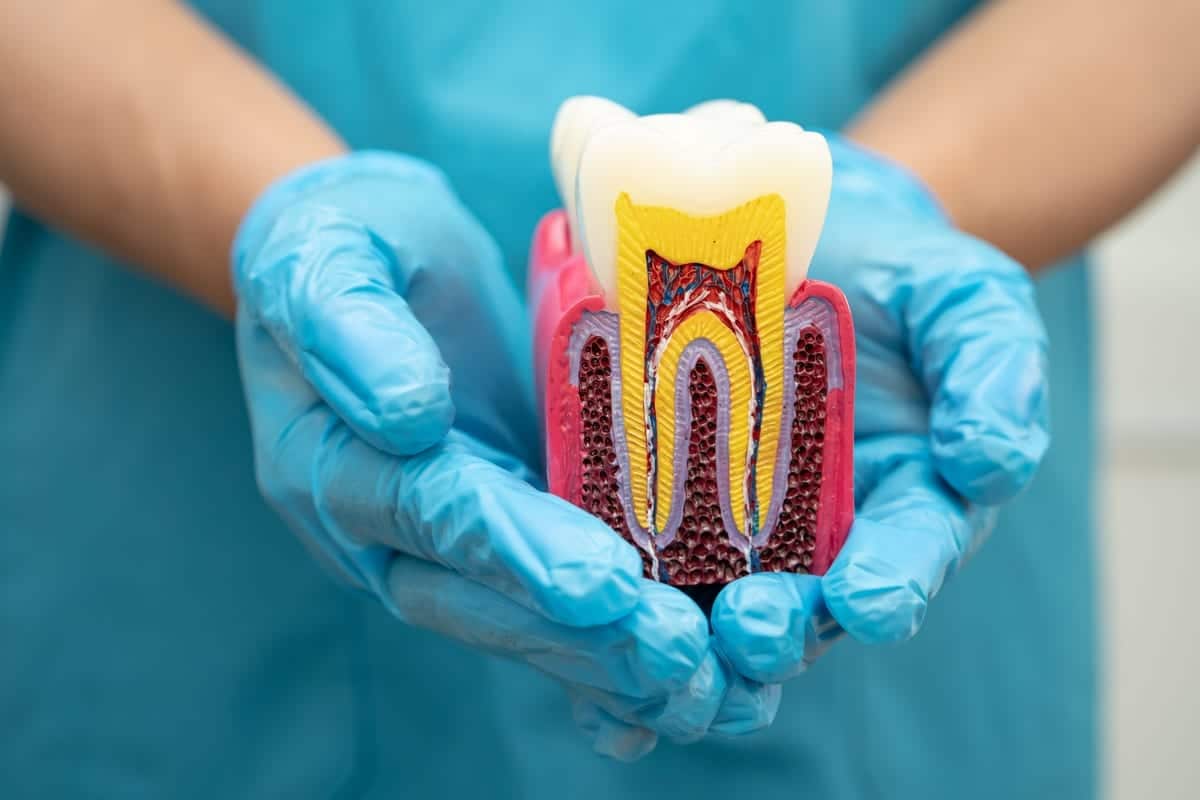
Your jawbone needs stimulation to stay dense and full. Natural tooth roots provide that stimulation every time you chew. When teeth are removed, that stimulation disappears. The bone underneath begins to shrink — a process called bone resorption.
Bone resorption happens gradually. Most patients lose noticeable bone volume within the first year after tooth loss. The process continues slowly for the rest of your life. As the bone shrinks, the gum tissue changes shape too. Your dentures were shaped to fit the original contours. Over time, those contours no longer match.
This is not a sign that your dentures were made poorly. It is simply biology. Even perfectly crafted dentures will eventually need adjustment. Most dentists recommend re-evaluating your denture fit every one to two years.
Signs Your Dentures No Longer Fit Properly
Recognizing a poor fit early makes treatment simpler. Here are common warning signs Columbia patients should watch for:
- Dentures slip or click when you speak or chew
- Sore spots or irritation on your gums
- Difficulty chewing foods you used to manage easily
- Dentures falling out or shifting unexpectedly
- Changes in your facial appearance, such as a sunken look around the mouth
- Increased use of denture adhesive just to keep them in place
Any one of these signs warrants a visit to Columbia Family Dentistry. Dr. Lauren Wilburn can evaluate your current fit and recommend the most appropriate next step. Waiting too long can accelerate bone loss and make future treatment more complex.
What to Do When Your Dentures Stop Fitting: Your Options
When patients in Columbia ask why their dentures stop fitting and what to do about it, Dr. Wilburn typically outlines three main solutions. Each option depends on how much bone has changed and how worn the denture itself has become.
Denture Relining
A reline adds new material to the tissue-side of your denture. This fills the gap created by bone and gum changes. The result is a snugger, more comfortable fit. Relining works best when the denture structure itself is still in good condition.
There are two types of relines. A soft reline uses a pliable material and works well for sensitive gums. A hard reline uses a more durable material similar to the original denture base. Both procedures can often be completed in a single appointment.
Denture Rebasing
Rebasing replaces the entire base of the denture while keeping your existing teeth. Think of it as a more thorough version of relining. The process creates a completely new foundation for the prosthetic. Rebasing is ideal when the denture base has worn significantly but the artificial teeth are still in good shape.
Full Denture Replacement
Sometimes, relining or rebasing is not enough. If a denture is several years old, it may be time for a full replacement. Denture materials wear down over time. A new set can restore comfort, function, and appearance more effectively than repeated adjustments to an old appliance.
Dr. Wilburn will take new impressions and measurements to ensure the replacement fits your current bone structure. Modern dentures are more natural-looking and durable than older versions.
Implant-Supported Dentures: A Long-Term Solution
One of the most effective ways to address ongoing bone loss is with implant-supported dentures. Dental implants are titanium posts placed directly into the jawbone. They mimic the function of tooth roots. This means they actually stimulate the bone and slow down resorption.
Implant-supported dentures snap or lock onto these implants. They do not rely on suction or adhesive. Patients enjoy significantly better stability and chewing ability. Many Columbia patients find this option life-changing after years of struggling with loose dentures.
Beyond function, implant-supported dentures help preserve your facial structure over time. Traditional dentures sit on top of shrinking bone. Implants interact with the bone directly, maintaining more of its density and volume.
If you are also exploring cosmetic options to complement your smile, our team offers Dental Bonding Columbia and Dental Veneers Columbia for patients with remaining natural teeth who want a complete aesthetic result.
Tips for Maintaining a Better Fit Between Visits
While regular dental visits are essential, there are steps you can take at home to protect your dentures and slow fit changes.
- Clean your dentures daily with a soft brush and denture cleaner — not regular toothpaste
- Soak dentures overnight to help them retain their shape
- Avoid using excessive denture adhesive as a substitute for professional adjustment
- Handle dentures carefully over a folded towel to avoid cracks if dropped
- Visit Dr. Wilburn at least once a year for a professional evaluation of your fit
These habits will not stop bone resorption, but they will help your dentures last longer between professional adjustments. They also reduce the risk of sore spots and irritation that come from ill-fitting appliances.
Visiting Columbia Family Dentistry for Denture Care
Dr. Lauren Wilburn and the team at Columbia Family Dentistry understand that denture problems affect your confidence and quality of life. Our goal is to provide honest, thorough evaluations so you know exactly what is happening with your smile. We do not recommend unnecessary procedures. We focus on what genuinely serves your long-term oral health.
Columbia patients dealing with loose, uncomfortable, or shifting dentures deserve real answers and practical solutions. Whether the fix is a simple reline or a transition to implant-supported dentures, we will walk you through every option clearly. Book Now to schedule your appointment with our team.
Frequently Asked Questions
How quickly do dentures start to lose their fit?
Most patients notice some change in fit within one to two years of receiving new dentures. The rate depends on how quickly your jawbone resorbs, your age, and your overall oral health. Younger patients and those with more bone loss may notice changes sooner.
Is it normal to need denture adjustments regularly?
Yes, this is completely normal. Bone resorption is an ongoing process. Most dentists recommend evaluating your denture fit every one to two years. Regular check-ins help catch fit issues early before they cause significant discomfort or oral health problems.
Can I reline my dentures at home with over-the-counter kits?
Home relining kits exist, but dental professionals generally advise against them. Improperly applied materials can create uneven pressure on your gums and accelerate bone loss. A professional reline performed by Dr. Wilburn ensures the correct fit and protects your underlying bone tissue.
How do I know if I need a reline, rebase, or full replacement?
Dr. Wilburn will examine your dentures and take measurements of your current jaw structure. She will assess the condition of the denture base and teeth, then recommend the most cost-effective and comfortable solution. There is no single answer that fits every patient — it depends on your individual situation.
Are implant-supported dentures a good option for everyone?
Implant-supported dentures are an excellent option for many patients, but they do require adequate bone volume to support the implants. Dr. Wilburn will assess your bone density during a consultation. For patients who have experienced significant bone loss, bone grafting may be an option to explore before implant placement.