Get a $250 New Patient Exam/Cleaning

If you’ve ever asked about root canal pricing, you’ve probably noticed something puzzling. Two people in Columbia can need a root canal and receive very different quotes. Understanding why root canal costs vary more than you’d expect in Columbia helps you make smarter decisions about your dental care. At Columbia Family Dentistry, Dr. Lauren Wilburn believes every patient deserves clear, honest education about their treatment options.
Why Root Canal Costs Vary More Than You’d Expect in Columbia
Root canals are not a one-size-fits-all procedure. Several distinct factors influence what you’ll ultimately pay. The tooth being treated, the complexity of the case, and who performs the procedure all play a role. Once you understand these variables, the price differences start to make a lot more sense.
Many patients assume a root canal is simply a root canal. In reality, the procedure differs significantly depending on your specific situation. A straightforward front tooth case is very different from a complicated molar treatment. Each scenario carries its own time demands, skill requirements, and associated costs.
How Tooth Type Drives Root Canal Pricing
One of the biggest cost drivers is which tooth needs treatment. Front teeth, called incisors and canines, typically have a single root canal. That makes them easier and faster to treat. Less complexity often means a lower overall cost for patients.
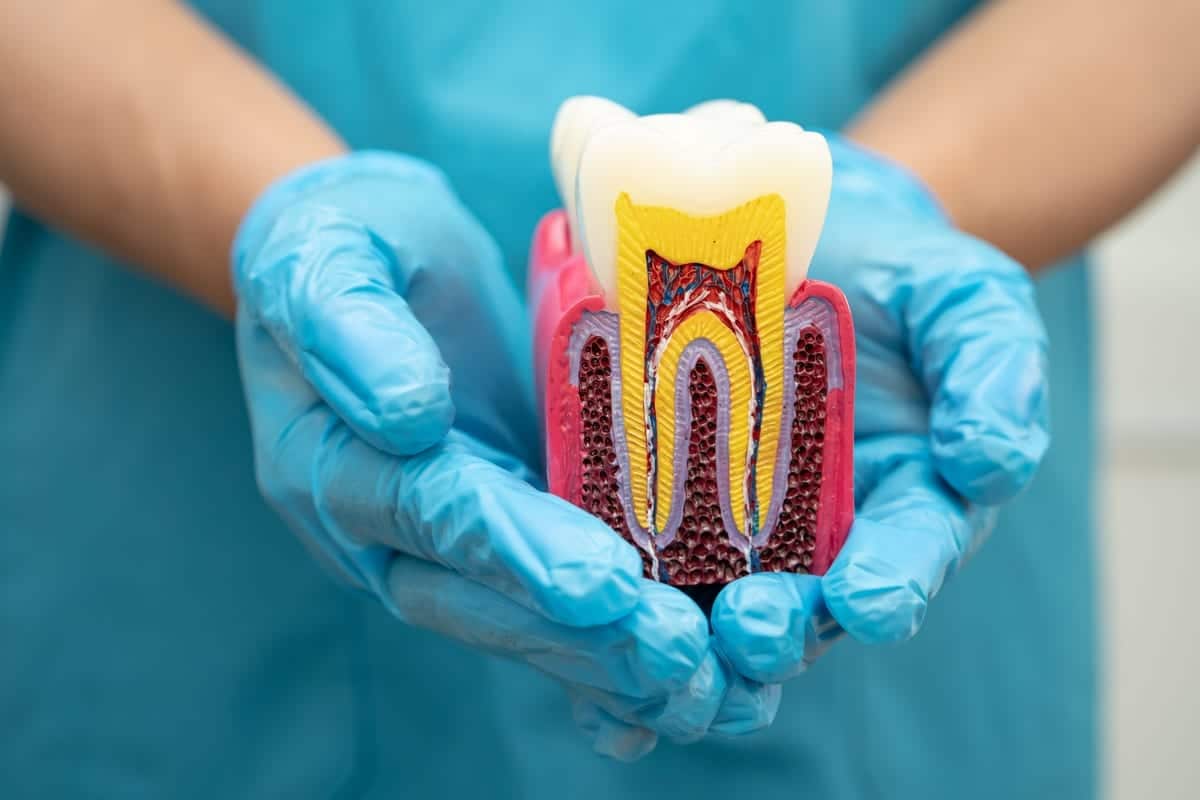
Premolars and molars are a different story entirely. These back teeth can have two, three, or even four separate canals. Each canal must be carefully cleaned, shaped, and sealed by your dentist. More canals mean more time, more materials, and more technical precision — all of which affect the final price.
- Front teeth (incisors and canines): Usually one canal, simpler procedure
- Premolars: Typically one to two canals, moderate complexity
- Molars: Often three to four canals, highest complexity
- Retreatments: Previously treated teeth require additional effort and cost more
This is why patients often feel surprised when they receive different quotes for different teeth. The tooth location is one of the most reliable predictors of overall cost. Always ask your dentist which tooth is involved and what that means for your specific case.
Case Complexity and What It Means for Your Bill
Beyond tooth type, the complexity of your individual case matters enormously. Some root canals are textbook straightforward. Others present challenges that require additional time, advanced imaging, and specialized techniques.
Curved or unusually narrow canals are harder to navigate and clean thoroughly. Calcified canals — where the canal has partially closed due to aging or prior trauma — require extra care. Retreatments, where a previous root canal has failed, are inherently more involved than first-time procedures.
Here are some complexity factors that can raise the cost of a root canal:
- Severely curved root canals that are difficult to instrument
- Calcification or blockages inside the canal system
- Prior root canal treatment that needs to be redone
- Infection spread that complicates access to the tooth
- Fractured instruments from previous dental work
Your dentist needs time and skill to manage these challenges safely. That additional effort is reflected in the pricing. A more complex case isn’t a reason to be alarmed — it simply means your dentist is being thorough to protect your long-term oral health.
General Dentist vs. Endodontist: Understanding the Cost Difference
Another major factor is who performs your root canal. A general dentist like Dr. Lauren Wilburn can handle many root canal cases effectively and efficiently. General dentists who perform root canals regularly are well-equipped for straightforward and moderately complex situations.
An endodontist is a specialist who focuses exclusively on root canal therapy. Their advanced training and specialized equipment — such as surgical microscopes — allow them to tackle the most complex cases. However, specialist fees tend to run higher than those of a general dentist.
When your general dentist refers you to an endodontist, it’s because your case warrants that expertise. It’s not about cost — it’s about giving you the best possible outcome. Dr. Wilburn will always be transparent about whether your case can be managed in-office or requires a specialist referral.
Choosing a general dentist for an appropriate case can be a cost-effective option without sacrificing quality. The key is working with a dentist who honestly assesses what your situation requires.
What Happens After the Root Canal — And Why It Adds to the Total
Many patients focus only on the root canal procedure itself. However, there’s typically a necessary step that follows: placing a dental crown. After a root canal, the treated tooth becomes more brittle and susceptible to fracture. A crown protects and strengthens it for the long term.
The crown is a separate cost from the root canal itself. When you receive a total cost estimate, make sure you understand whether it includes the crown or lists it separately. At Columbia Family Dentistry, Dr. Wilburn’s team will walk you through the full picture before treatment begins.
Some patients also explore cosmetic options to restore nearby teeth following dental issues. For example, Dental Bonding Columbia can address chips, cracks, or discoloration on surrounding teeth affordably. Similarly, Dental Veneers Columbia offer a longer-lasting cosmetic solution for front teeth that may have been affected by prior dental problems.
Understanding the full scope of treatment — from the root canal to the crown and any cosmetic follow-up — helps you plan effectively. Breaking down each component makes the overall cost feel less overwhelming.
How to Talk to Your Dentist About Root Canal Costs in Columbia
Open communication with your dental team is the single most useful tool you have. Don’t hesitate to ask detailed questions before agreeing to treatment. A reputable dental practice will welcome your questions and provide clear answers.
Here are helpful questions to ask at your appointment:
- Which tooth needs treatment and how many canals does it have?
- Is this a first-time root canal or a retreatment?
- Will I need a crown afterward, and what does that cost separately?
- Can this be managed in your office, or will I need a specialist?
- Are there payment plans or financing options available?
At Columbia Family Dentistry, Dr. Lauren Wilburn and her team take time to explain every aspect of your care. You should never feel rushed or confused about your treatment plan. Informed patients make better decisions and experience less anxiety throughout the process.
Conclusion: Getting the Right Root Canal Care in Columbia, TN
Now you can see exactly why root canal costs vary more than you’d expect in Columbia. Tooth type, case complexity, provider type, and post-treatment needs all interact to create a unique cost picture for every patient. Rather than focusing on a single number, focus on understanding your specific situation. That knowledge empowers you to choose the right care with confidence. At Columbia Family Dentistry, Dr. Lauren Wilburn is committed to transparent, patient-centered dentistry that puts your well-being first. Book Now to schedule your appointment with our team.
Frequently Asked Questions
Does the type of tooth always affect how much a root canal costs?
Yes, tooth type is one of the strongest predictors of root canal cost. Front teeth typically have one canal and are simpler to treat. Molars often have three or four canals, making them more complex and time-consuming. More canals mean more work, which is reflected in higher fees.
Is a root canal from a general dentist lower quality than one from a specialist?
Not at all. Many general dentists perform root canals routinely and with excellent outcomes. A general dentist is well-suited for straightforward to moderately complex cases. Specialists handle the most challenging situations, which is why their fees tend to be higher — not because general dentists provide inferior care.
Why do I need a crown after a root canal?
After a root canal, the treated tooth loses much of its internal structure and natural moisture. This makes it more brittle and prone to cracking under normal chewing pressure. A dental crown covers and protects the tooth, extending its lifespan significantly. Without a crown, the risk of tooth fracture increases considerably.
What makes a root canal case more complex and expensive?
Several factors increase complexity, including curved or calcified canals, prior failed root canal treatment, significant infection, or unusual root anatomy. These challenges require more time, specialized instruments, and advanced techniques to address safely. More complexity naturally leads to a higher overall treatment cost.
How can I get an accurate cost estimate before my root canal in Columbia?
The best approach is to schedule a thorough consultation with Dr. Lauren Wilburn at Columbia Family Dentistry. Dental X-rays and a clinical exam allow your dentist to assess the tooth and its canals accurately. From there, you’ll receive a clear breakdown of what your specific treatment involves and what to expect cost-wise.